Your website may have great content, strong branding, and a polished design, but if people and search engines cannot find what they need, those strengths lose their impact. Optimizing your website architecture for SEO is one of the most effective ways to improve both visibility and user experience. It helps search engines understand your site while making it easier for visitors to move from discovery to conversion.
Many businesses invest heavily in SEO content, paid advertising, and redesigns but overlook the structure underneath it all. Navigation, page hierarchy, internal linking, and content organization influence how your website performs just as much as the quality of the content itself.
If your website feels difficult to navigate, chances are your visitors and Google feel the same way.
What Is Website Architecture?
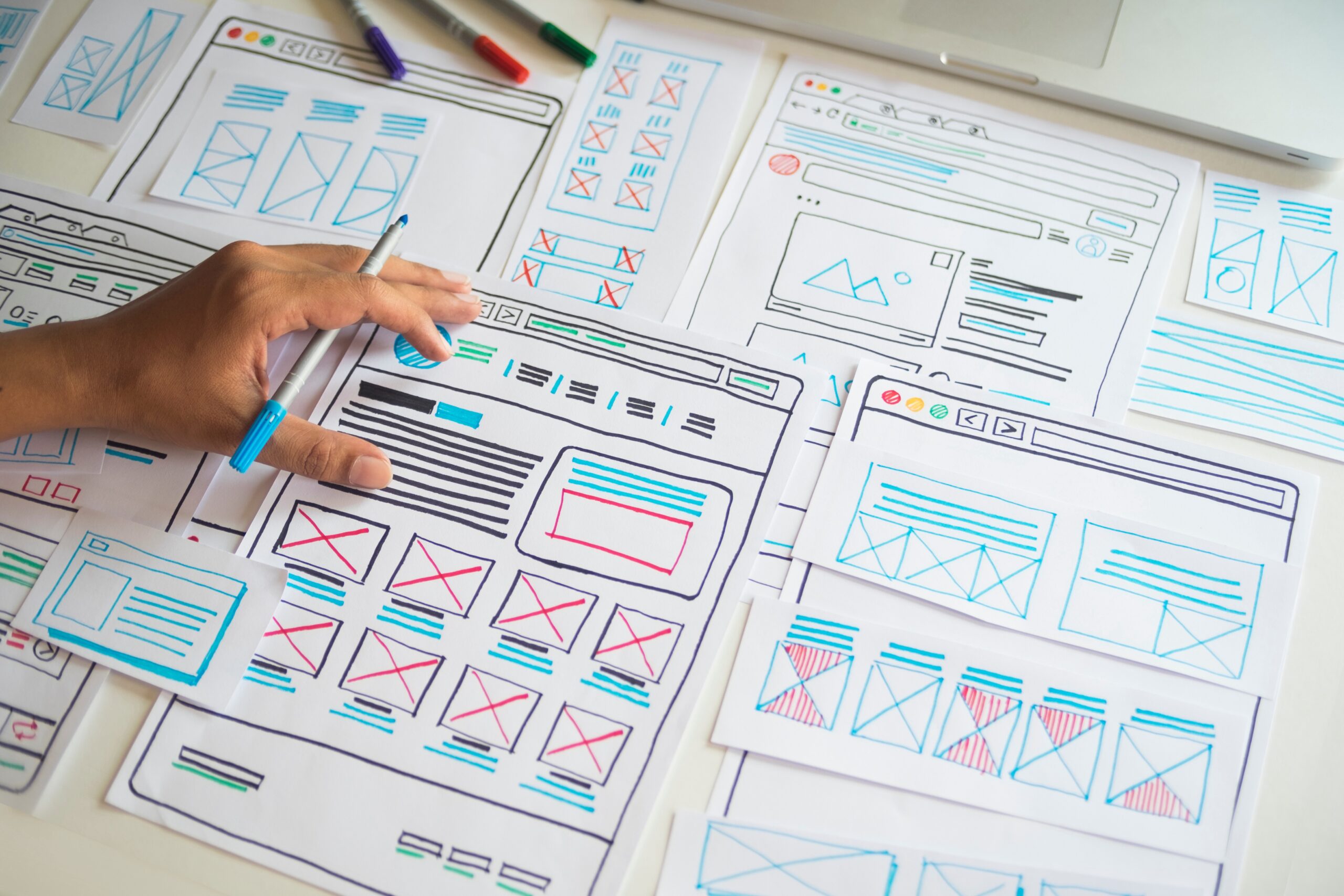
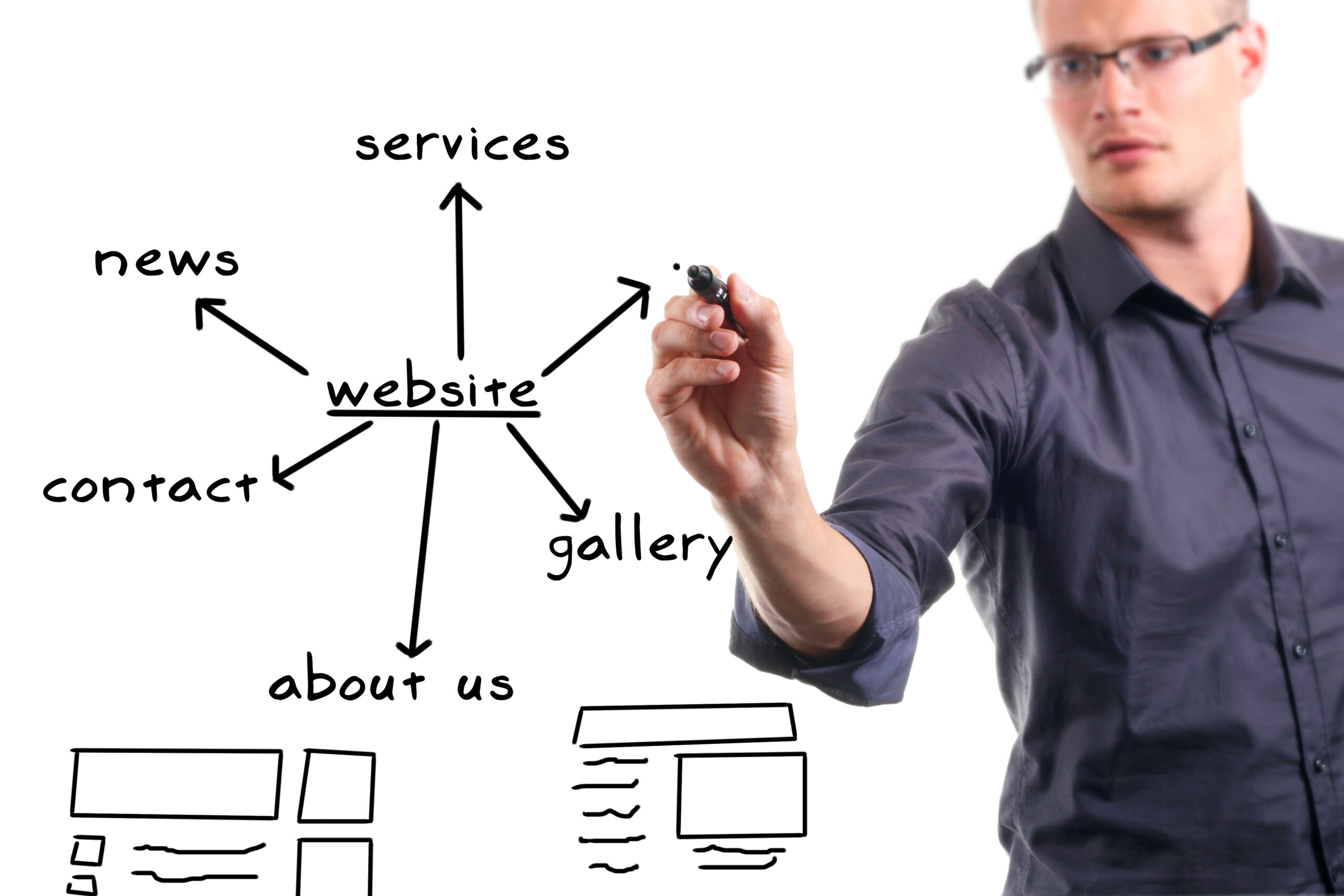
Website architecture is the way your pages are organized and connected. It includes your navigation menu, page hierarchy, URLs, internal links, categories, and how users move through your website.
Think of it as the blueprint for your digital presence. Just as a building requires a logical floor plan, your website needs a structure that guides visitors naturally while helping search engines crawl and understand every important page. Effective website design begins with a well-planned architecture that supports both users and search engines.
A well-planned architecture makes it easier for users to answer questions, compare solutions, and take action without frustration.
Why Optimizing Your Website Architecture for SEO Matters
When people think about SEO, they often focus on keywords, blog content, or backlinks. A comprehensive SEO & Content Acceleration strategy also depends on a strong website structure.
Optimizing your website architecture for SEO helps accomplish several important goals.
Improve crawlability
Search engines discover new pages by following links. A clear architecture helps search engine crawlers reach your most valuable pages efficiently and understand how they relate to one another.
When important pages are buried several clicks deep or disconnected from the rest of the website, they may receive less attention from search engines.
Strengthen topical authority
Grouping related pages together signals expertise.
For example, a law firm that focuses on workers’ compensation and construction accident cases may have dedicated service pages for each practice area, supported by blogs that answer common questions about Labor Law, workers’ compensation hearings, Social Security Disability benefits, and construction accident claims. This connected structure helps search engines understand the firm’s expertise while making it easier for potential clients to find relevant information throughout their decision-making process.
Distribute authority across your website
Internal links help share authority between pages.
When your highest-performing pages link naturally to relevant service pages, guides, or case studies, they help those pages become more visible in search results.
Create a better user experience
Visitors should never wonder where to click next.
Simple navigation reduces frustration, increases engagement, and encourages users to explore additional pages. Clear navigation plays a significant role in helping users complete tasks successfully.
Signs Your Website Architecture Needs Improvement
Many websites grow over time without a long-term content strategy. New pages get added, services evolve, blogs accumulate, and navigation becomes cluttered.
Some common warning signs include:
- Navigation menus with too many options
- Important services buried beneath multiple clicks
- Multiple pages targeting similar keywords
- Orphan pages with no internal links
- Duplicate or inconsistent categories
- Visitors leaving without exploring additional pages
If any of these issues sound familiar, optimizing your website architecture for SEO may produce bigger results than simply publishing more content.
How Navigation Influences Rankings and Conversions
Navigation is often viewed as a design decision, but it directly affects SEO performance.
Every navigation choice communicates priorities to both users and search engines.
A strong navigation system should answer questions like:
- What services do you offer?
- Who do you help?
- Where should visitors go next?
- What supporting information builds confidence?
The easier those answers are to find, the more likely visitors are to continue through your website instead of returning to search results.
Build Around Topic Clusters Instead of Individual Pages
Modern SEO works best when websites demonstrate expertise across an entire subject instead of relying on isolated pages.
This is where topic clusters become valuable.
A pillar page introduces a broad subject while supporting blogs explore specific questions in greater depth. Internal links connect everything together, creating a logical content ecosystem.
For example, instead of publishing unrelated blogs, a restoration company might organize content like this:
Pillar page: Commercial Restoration Services
Supporting blog Topics:
- Water damage restoration for commercial properties
- Fire and smoke damage cleanup for commercial properties
- Trauma and biohazard cleanup regulations
- Disaster preparedness for property managers
- Emergency response planning for commercial properties
This approach helps search engines understand the relationship between pages while making it easier for visitors to continue learning.
Keep Important Pages Close to the Homepage
One of the simplest best practices is minimizing the number of clicks required to reach valuable pages.
Your core services, primary industries, and most important resources should be accessible quickly.
If users must click through multiple categories before reaching essential information, they are more likely to leave before converting.
Search engines also tend to place greater emphasis on pages that are easier to discover through your site’s internal structure.
Internal Links Are Part of Your Architecture
Internal linking is more than an SEO tactic. It is a navigation tool.
Internal linking is more than an SEO tactic. It is a navigation tool and a core part of an effective on-page SEO service.
Each relevant internal link helps users discover related information while helping search engines understand page relationships.

Strong internal linking should feel natural.
Instead of forcing links into every paragraph, connect readers to resources that genuinely expand on the topic they are already exploring.
Over time, these connections strengthen the overall authority of your website.
Design for People First
The best-performing websites don’t choose between SEO and user experience.
They prioritize both.
Google’s documentation consistently emphasizes creating content that serves people first while maintaining a structure that is easy to understand and navigate.
A website that feels intuitive encourages visitors to stay longer, consume more content, and build confidence before reaching out.
That confidence often becomes the difference between a bounce and a qualified lead.
Review Your Website Like a First Time Visitor
One useful exercise is to forget everything you know about your own business.
Open your homepage and ask yourself:
- Can I immediately tell what this company does?
- Can I find the right service within a few seconds?
- Does the navigation answer my questions?
- Is every important page easy to reach?
- What should I do next?
If those answers are unclear, your visitors are probably asking the same questions.
Small improvements to navigation often produce measurable gains in engagement and conversions without requiring a complete redesign.
Website Architecture Is Never Finished
As your business grows, your website grows with it.
New services, industries, locations, and content all influence your architecture over time.
That is why successful websites are reviewed regularly instead of being treated as one-time projects.
Optimizing your website architecture for SEO is an ongoing process of simplifying navigation, strengthening content relationships, improving discoverability, and making every visitor’s journey easier.
When your website becomes easier to understand, it becomes easier to rank and easier to convert.
Ready to Improve How Your Website Works?
If your website has grown over the years or your navigation no longer reflects your business, now is the perfect time to evaluate its structure.
An Information Architecture Sprint from Lazarus Design Team helps uncover navigation issues, improve content organization, strengthen internal linking, and identify opportunities for better SEO performance and higher conversions.
Schedule your Information Architecture Sprint by contacting Lazarus Design Team today and discover how optimizing your website architecture for SEO can help your website work harder for your business.