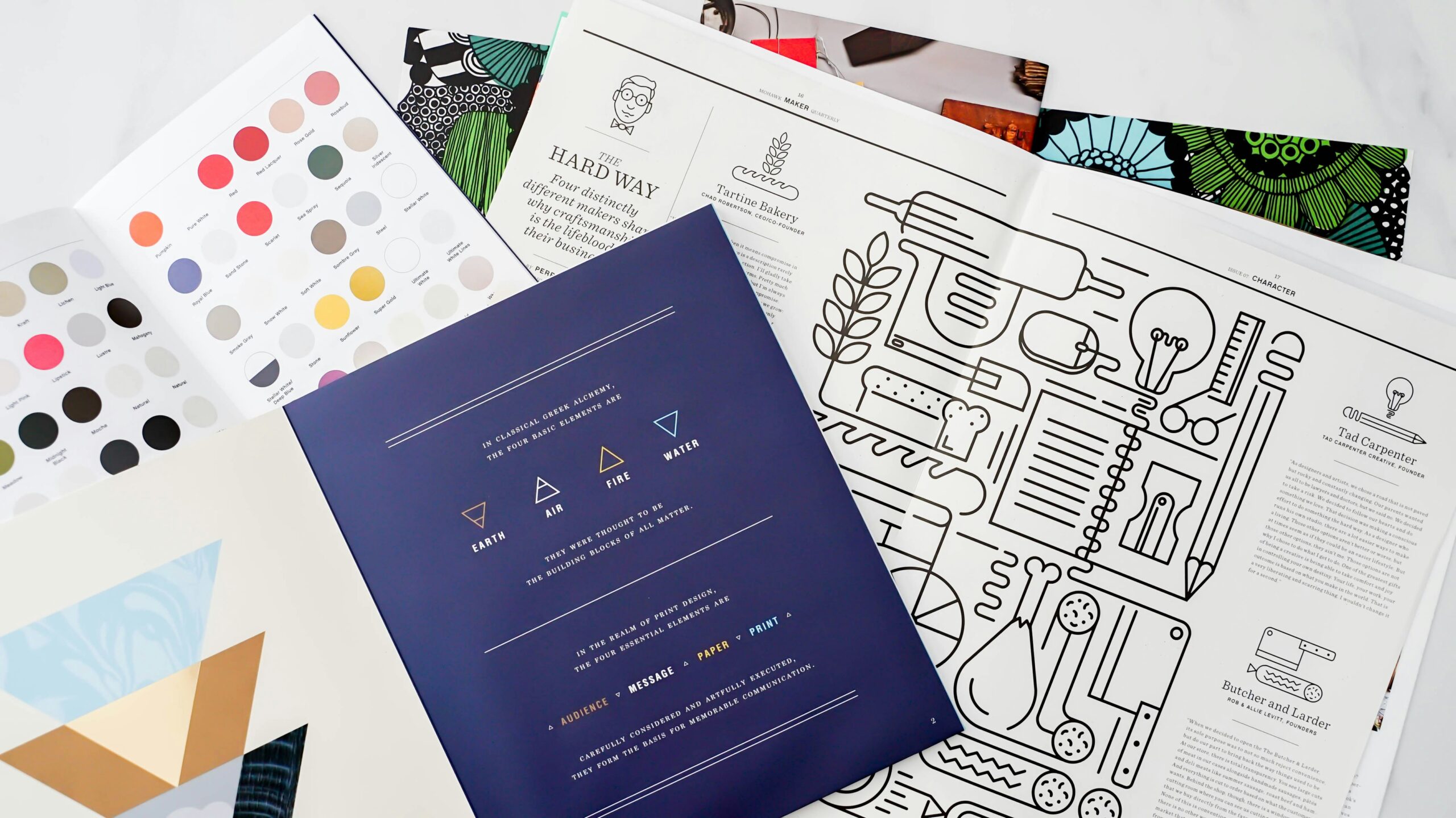
Many growing businesses adopt a familiar approach to design. A need arises, a designer is found, the project is completed, and the cycle repeats.
While this method can seem efficient for isolated tasks, it often leads to a significant drain on resources and a lack of cohesive brand development. The challenge is not usually the quality of individual deliverables. The real issue is that every project starts from scratch. Each new brief requires a re-explanation of brand standards, a re-establishment of creative direction, and valuable time spent recreating context instead of building momentum.
A design retainer changes that dynamic. Rather than reacting to creative needs as they emerge, businesses gain consistent access to a creative team that understands their brand, supports ongoing marketing initiatives, and helps creative efforts build on one another over time.
For companies focused on growth, the question is no longer whether design matters. The question is whether their current approach to design is helping them move faster, stay consistent, and gain a competitive edge.
What Is a Design Retainer?
A design retainer is an ongoing agreement that provides dedicated creative support through a reserved bucket of hours.
Instead of requesting individual quotes and managing separate projects, businesses reserve creative capacity from a team that already understands their brand identity, goals, and marketing priorities.
This difference matters more than many businesses realize.
A creative team that already knows your visual identity, messaging hierarchy, target audience, and campaign objectives can begin work immediately. For businesses investing in branding and logo design, this familiarity creates faster execution and stronger consistency.
A design retainer can support initiatives such as:
- Social media graphics and advertising creative
- Landing page design and campaign assets
- Website updates and user experience improvements
- Sales presentations and collateral
- Email marketing design
- Brand asset development
- Trade show materials
- Digital marketing campaigns
A retainer is more than a subscription for design work. It is an ongoing creative partnership designed to support business growth.
The Hidden Cost of Project-Based Design
Project-based design can work well for one-time initiatives such as a website launch or brand refresh.
However, many companies discover that ongoing marketing creates a steady stream of creative needs that do not fit neatly into a project-by-project model. The hidden costs often extend well beyond the invoice.
Lost Time and Delayed Execution
Every new project typically requires discovery calls, proposal reviews, approvals, onboarding, and creative brief development before any design work begins.
That administrative overhead consumes valuable time that could otherwise be spent moving campaigns forward.
For many companies, those responsibilities fall on internal marketing teams, business owners, or leadership teams that already have competing priorities.
Inconsistent Brand Experiences
When multiple designers, freelancers, or agencies contribute assets over time, consistency becomes difficult to maintain.
Social media graphics may look different from landing pages. Sales materials may not align with website messaging. Campaigns can begin to feel disconnected.
Customers notice these inconsistencies, even if they cannot always explain why.
Strong brands are built through repetition and consistency. When every touchpoint reinforces the same experience, trust grows.
Reactive Marketing Operations
Without dedicated creative support, marketing teams often find themselves operating reactively.
Campaigns are delayed while assets are developed. Opportunities are missed because resources are unavailable. Teams spend more time managing production than executing strategy.
A design retainer helps remove these bottlenecks by creating a reliable creative process that keeps initiatives moving forward.
When a Design Retainer Makes Sense for Your Business
Not every business needs a retainer.
However, there are several signs that the project-based approach may be creating more friction than value.
Your Marketing Team Constantly Needs Design Support
If your company regularly creates content, runs advertising campaigns, publishes social media updates, or supports sales initiatives, design demand is ongoing.
Treating recurring needs as separate projects often slows everything down.
Your Brand Feels Inconsistent
Many growing companies have assets created by different people at different times. The result is often a fragmented brand experience that makes marketing less effective.
A retainer creates continuity by placing one creative team in charge of maintaining consistency across channels.
You’re Scaling Marketing Efforts
Growth usually requires more creative output. More campaigns. More landing pages. More content. More sales materials.
A design retainer provides scalable creative resources without the cost and complexity of expanding an internal team.
Your Internal Team Is Stretched Thin
Many businesses ask one person to manage marketing, communications, social media, content creation, and creative requests simultaneously. Eventually, something falls behind.
A dedicated creative partner helps alleviate that pressure and allows internal teams to focus on higher-value work.
Why Ongoing Design Becomes a Competitive Advantage
Most businesses think about design as a deliverable. The strongest brands think about design as a system. That difference creates a meaningful competitive advantage.
Faster Speed to Market
Markets move quickly. Customer expectations change. Campaign priorities shift.
Businesses with ongoing creative support can respond faster because their design team is already integrated into the process.
There is no need to start from zero every time a new initiative launches.
Stronger Brand Recognition
Consistent design creates familiarity. Familiarity builds trust.
Over time, businesses that maintain a consistent brand identity across websites, advertising, content marketing, sales materials, and social media become more recognizable in their market.
That recognition compounds over time.
Better Alignment Between Marketing and Sales
Marketing and sales rely on design more than many companies realize.
Landing pages, case studies, presentations, lead magnets, email campaigns, and advertising creative all influence business development efforts and often depend on consistent design and messaging.
A dedicated design team ensures both departments have access to the resources they need without competing for internal bandwidth.
More Strategic Creative Decisions
One of the most valuable benefits of a long-term creative partnership is context.
A design team that has spent months learning your business understands:
- Your goals
- Your audience
- Your positioning
- Your competitive landscape
- Your growth objectives
That understanding leads to better recommendations, stronger creative decisions, and more strategic execution over time.
Design Works Best as Part of a Larger Marketing System
Design does not exist in isolation. Every creative asset supports a broader business objective.
A well-designed advertisement can improve click-through rates. A landing page can increase conversions. Consistent branding can strengthen recognition and trust. Sales materials can help close opportunities more effectively.
The visual layer may be what customers see first, but it is directly connected to measurable business outcomes.
This is why design retainers often create the most value when they support a larger marketing strategy.
When design, branding, content, paid media, SEO, and content strategy work together, each initiative strengthens the others.
The result is a marketing system that becomes more efficient, more scalable, and more effective over time.
Building Creative Momentum Over Time
One of the most overlooked advantages of ongoing design support is momentum.
As months pass, creative assets become easier to produce. Brand libraries expand. Processes improve. Teams collaborate more efficiently.
The creative output becomes stronger because the foundation already exists. That kind of momentum is difficult to achieve through isolated projects. A project ends. The relationship pauses. The next initiative begins from scratch.
With a design retainer, the knowledge, systems, and creative direction continue to evolve. The partnership grows stronger. Execution becomes faster. The value compounds.
Design as a Strategic Growth Asset
The most successful companies no longer view design as a necessary expense. They view it as a growth asset.
Design influences customer perception, user experience, marketing performance, sales effectiveness, and brand recognition.
When design becomes more strategic, more consistent, and more integrated into day-to-day operations, the entire company benefits.
That is when ongoing creative support becomes more than a convenience. It becomes a competitive advantage.
How Lazarus Design Team Approaches Design Retainers
At Lazarus Design Team, design retainers are built around business goals, not simply deliverables.
We work with businesses to prioritize creative initiatives, support ongoing campaigns, and create systems that help marketing teams move faster while maintaining brand consistency.
Rather than treating design as a series of disconnected requests, we help businesses build a creative framework that supports long-term growth. The goal is not just to produce assets. It is to create a scalable design system that strengthens every part of your marketing efforts.
Explore a More Strategic Approach to Design
If your team is constantly managing creative requests, juggling multiple vendors, or struggling to maintain brand consistency, it may be time to rethink how design support is structured.
An ongoing design partnership creates the consistency, flexibility, and strategic alignment needed to support sustainable growth while reducing the friction that slows marketing efforts down.
Let’s build a more scalable creative process together. Contact Lazarus Design Team to see how a design retainer can support your marketing efforts and business growth.